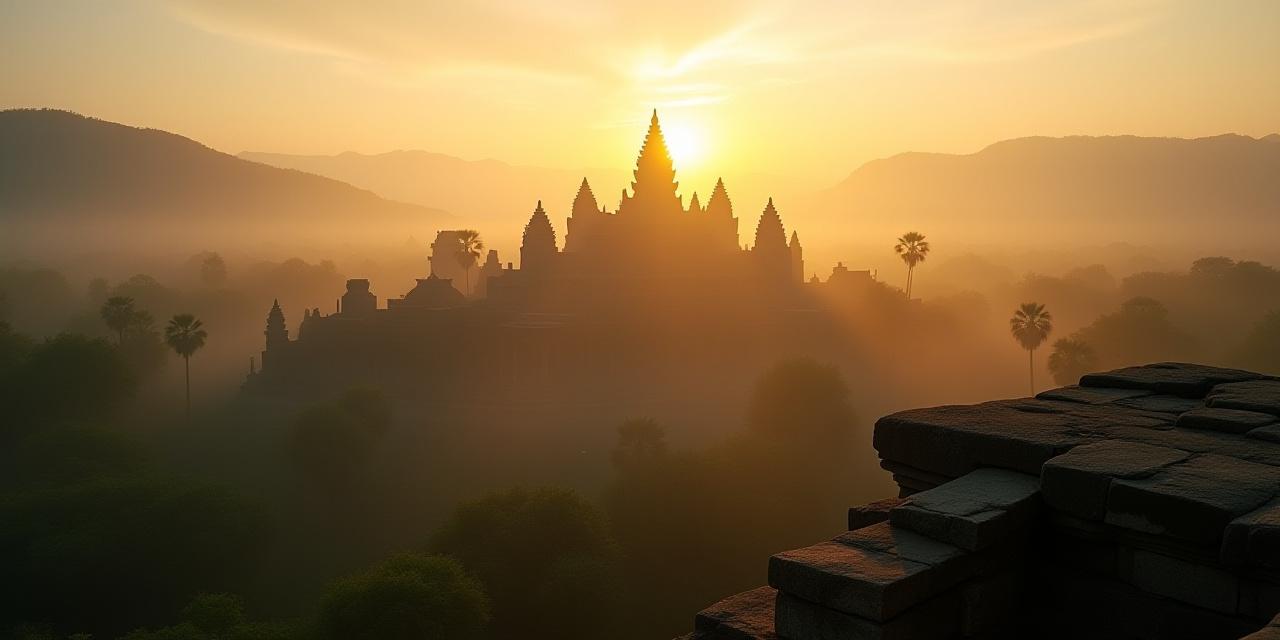
What Makes a World Heritage Site?
Since 1972, the UNESCO World Heritage Convention has sought to recognize locations that possess "Outstanding Universal Value." This landmark international treaty aims to safeguard the richness of our history and the diversity of our planet.
The history of UNESCO's heritage program began with a crisis: the building of the Aswan High Dam in Egypt, which threatened to submerge the ancient Abu Simbel temples. An international campaign successfully relocated the temples, proving that humanity could unite to preserve shared history. This spirit is what drives the management of World Heritage sites today.
Cultural Sites
These represent masterpieces of human creative genius. They include monumental works of architecture, ancient cities, and landscapes that reflect agricultural or spiritual traditions significant to human history.
Natural Sites
These are areas of exceptional natural beauty or significant geological formations. They often serve as critical habitats for biological diversity, protecting endangered flora and fauna.
The Selection Criteria Simplified
To be included on the World Heritage List, sites must meet at least one of ten selection criteria. Here is a simplified summary of what experts look for:
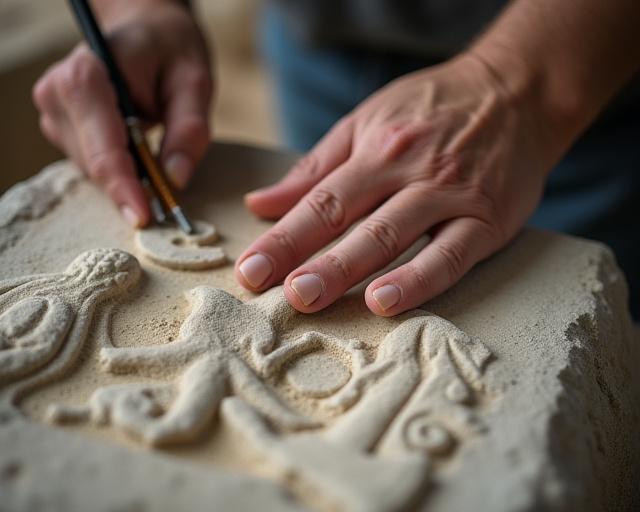
Why Preservation Matters
Preservation is not just about keeping old buildings standing; it is about maintaining our collective memory. When a site is designated, it gains international awareness and access to the World Heritage Fund.
By protecting these sites, we ensure that the educational, spiritual, and scientific value they hold is passed down to future generations, fostering a sense of global community and mutual respect.
Explore Heritage Sites