Living History
Explore the monuments and architectural marvels that define our global heritage.
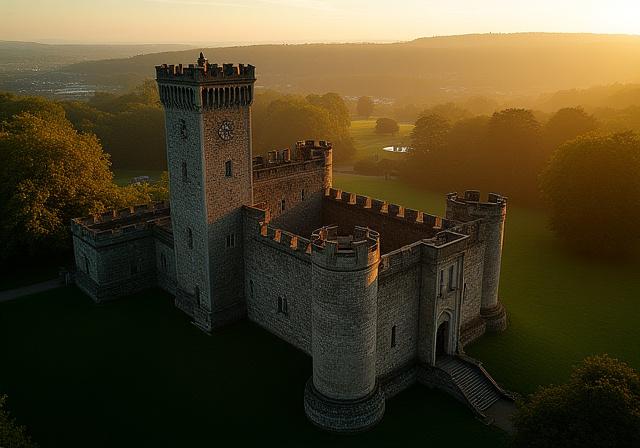
The Architectural Wonders of Wales
In our own neighborhood of Cardiff and throughout the Welsh landscape, history is etched into stone. From the medieval fortifications of the Iron Ring to the Victorian gothic splendor of Cardiff Castle, the architecture of Wales offers a timeline of resilience and artistic evolution.
Understanding these structures isn't just about dates; it's about the cultural shifts that occurred within their walls, from industrial booms to the preservation of the Welsh language and identity.
Top 5 UNESCO Icons: A Deep Dive
1. Great Pyramid of Giza (c. 2560 BCE)
Constructed as a tomb for Pharaoh Khufu, standing as the only surviving Wonder of the Ancient World.
2. Acropolis of Athens (c. 447 BCE)
The Parthenon represents the pinnacle of Doric architecture and the dawn of democracy.

Great Pyramid of Giza
Built around 2560 BCE, it remained the tallest man-made structure for over 3,800 years.
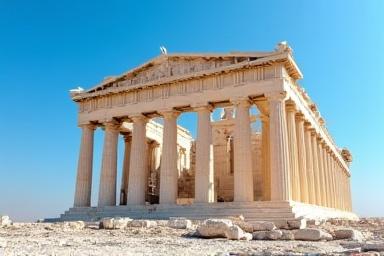
Acropolis of Athens
Dedicated to Athena, this 5th-century BCE masterpiece redefined classical proportions.

Machu Picchu
A 15th-century Incan citadel that showcases unparalleled dry-stone masonry in the Andes.
Before You Go: Respectful Visiting
When visiting sites of historical significance, remember these guidelines to preserve our shared human heritage:
- Photography: Check if flash is permitted; light can degrade ancient pigments.
- Physical Contact: Natural oils from hands can erode stone and wood over time. Stay behind barriers.
- Cultural Sensitivity: Many landmarks are also active religious or sacred sites. Dress modestly and maintain quiet.
- Sustainable Travel: Stick to marked paths to prevent soil erosion and damage to surrounding ecology.