The Traveler's Classroom
Mastering the language of the globe. From geographical nuances to cultural etiquette, we bridges the gap between seeing and understanding.
Traveler's Glossary
Responsible travel to natural areas that conserves the environment and improves the well-being of local people. It focuses on education and sustainability rather than just consumption.
A travel authorization granted at the port of entry. It allows travelers to obtain their entry permit upon landing rather than applying in advance at an embassy or consulate.
A landmark or area with legal protection by an international convention administered by UNESCO. These sites are recognized for having cultural, historical, scientific or other form of significance.
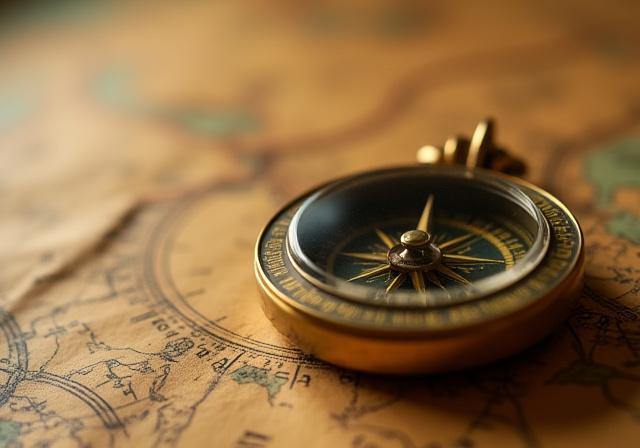
Geography Spotlight: Navigating the Grid
Understanding our planet's coordinates is the first step toward true navigation.
- Latitude & Longitude: Think of Latitude as the rungs of a ladder (horizontal) and Longitude as the long lines (vertical).
- Time Zones: Our world is divided into 24 slices. Every 15 degrees of longitude typically represents one hour of difference.
- Prime Meridian: The zero-point in Greenwich, UK, from which all other time zones are measured.
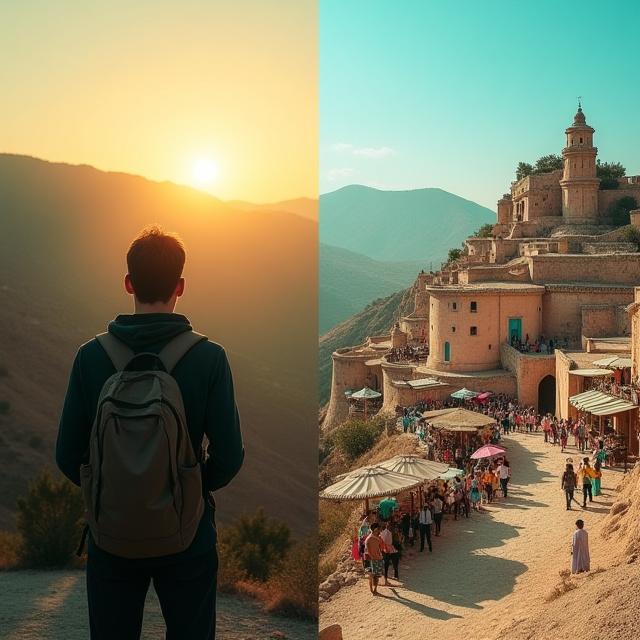
Travel vs. Tourism: What's the Difference?
While the terms are often used interchangeably, they represent two different philosophies of exploration:
Tourism typically refers to traveling for recreation within a structured environment. It often involves following popular circuits and utilizing services designed specifically for visitors.
Travel is broader, encompassing the journey and the experience of cultural immersion. It is often less predictable and focuses on learning, personal growth, and authentic interaction.