
In a world obsessed with checking boxes and rapid-fire itineraries, the Slow Travel movement offers a refreshing counter-narrative. Born from the same philosophy as the 'Slow Food' movement, slow travel is not necessarily about the speed of transportation, but about the mindset of the traveler. It is the conscious choice to swap twenty cities in twenty days for a deep, immersive month in a single neighborhood.
The Benefits of Staying Still
When we rush from landmark to landmark, we often only see the polished surface of a destination. By staying in one place longer, the benefits multiply exponentially. Financially, it reduces transport costs and allows students of culture to utilize weekly rental rates or local markets. Mentally, it removes 'travel burnout,' replacing the stress of schedules with the joy of discovery. Most importantly, it gives the environment a break, as slow travel is inherently more sustainable, favoring trains and walking over short-haul flights.
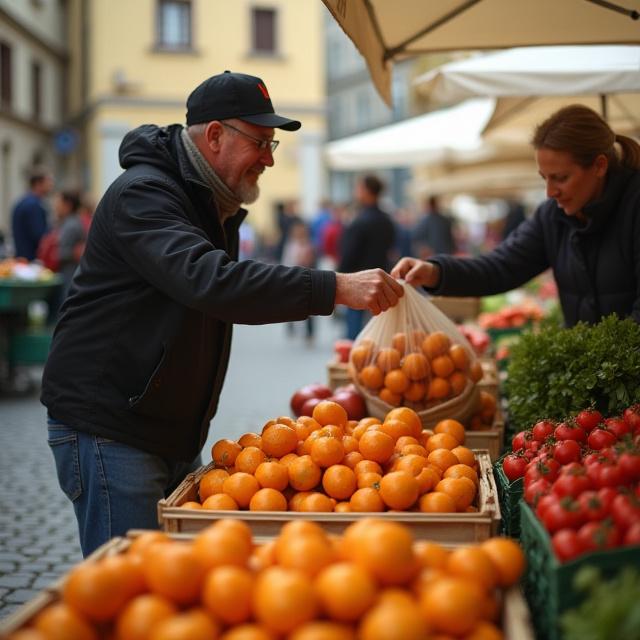
Authentic Connection
How do you truly connect with a place? It starts by becoming a 'temporary local.' Instead of staying in tourist-centric hotels, choose residential areas. Patronize the same bakery every morning until the owner recognizes your face. These small, repeated interactions are where the real cultural education happens—beyond what any guidebook can provide.
Planning Your Slow Itinerary
Transitioning to slow travel requires a shift in how you plan. It means saying 'no' to some famous sights so you can say 'yes' to an unplanned afternoon in a public park or a long conversation with a local artisan.
- Set a 'One Activity' Rule: Plan only one major thing per day. Leave the rest to serendipity.
- Prioritize Local Transport: Take the local bus or rent a bicycle instead of private transfers.
- Focus on Neighborhoods: Pick a base and explore its 5-mile radius thoroughly before looking elsewhere.
"Slow travel is about the journey as much as the destination. It's about finding the rhythm of a place and moving in time with it."